
 By digitalmarketinggroup
Email marketing remains one of the most reliable and high-ROI digital marketing channels available today. While social media trends change rapidly and paid ads get more expensive each year, email continues to deliver unmatched results—especially when it comes to turning cold prospects into warm, ready-to-convert leads.
But successful lead nurturing is more than just sending newsletters or promotional blasts. It requires strategy, personalization, timing, and a deep understanding of your audience. In this blog, we’ll explore how brands can nurture leads effectively using targeted, well-structured email workflows and strong content fundamentals. Along the way, we’ll highlight crucial areas such as email campaign tips, lead nurturing emails, email segmentation strategies, email open rates, and email ROI.
1. Why Email Is Still the Most Powerful Lead Nurturing Tool
Despite hundreds of new communication channels emerging, email continues to outperform every other digital outreach platform. Why?
- Email is personal and direct
- It allows automation without losing warmth
- It builds long-term trust
- It supports multimedia content
- It works brilliantly across industries
- It delivers one of the highest email ROI values among marketing channels
Studies consistently show that email generates an average of $36–$44 for every $1 spent. This makes it essential for businesses that want to nurture leads efficiently and cost-effectively.
2. Understand the Mindset Behind Lead Nurturing
Lead nurturing is not about pushing sales messages. It’s about guiding your leads step-by-step from curiosity to consideration, and finally to conversion. The goal is to educate, engage, and empower your audience so that trust builds naturally over time.
Your messaging should focus on:
- Solving problems
- Providing value
- Sharing relevant insights
- Offering support
- Reducing friction in decision-making
This is why lead nurturing emails must feel conversational, helpful, and personalized—not sales-heavy or generic.
3. Segment Your Audience to Deliver Relevant Content
Segmentation is the backbone of successful email marketing. When every subscriber receives the same email, relevance drops and engagement suffers. But with strong email segmentation strategies, you can ensure every message connects with the right audience.
Segment by
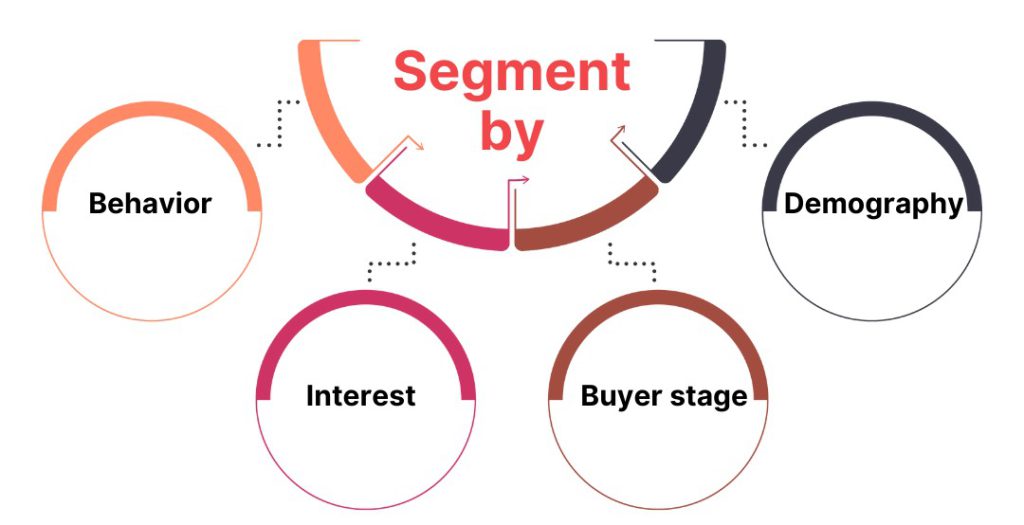
a. Segment by Behavior
Behavioral segmentation boosts conversions significantly because it aligns your message with your lead’s actions. You can understand customer behavior by tracking:
- Pages visited
- Products viewed
- Emails clicked
- Browsing time
- Downloads
b. Segment by Interests
Interests of customers is a very important factor to determine the type of email that needs to be sent. For example: A user interested in digital marketing courses should not receive emails about web development. Similarly, a lead looking at high-end products needs different messaging than someone browsing budget options.
c. Segment by Buyer Stage
Each stage of the buying process needs to be addressed with a different tone and content type, in order to convert general browsing to profitable deals. Common buyer stages include:
- Awareness
- Consideration
- Decision
d. Segment by Demographics
Location, age, profession, or industry has a lot of influence on content relevance. So, it is important to understand the demographics of your audience and customise the content accordingly.
The more precise your segmentation, the better your email open rates and overall conversion performance.
4. Create Lead Nurturing Email Sequences
A structured sequence ensures consistent engagement. The idea is to move leads along the customer journey with valuable, timely messages.
Nurturing Email Sequence
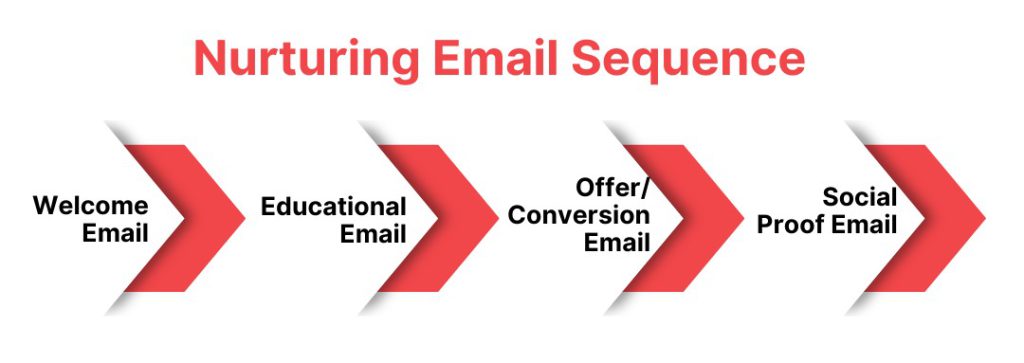
a. Welcome Email
This is often the highest-performing email in any sequence. It sets the tone and builds the first impression.
Tips:
- Keep it warm and human
- Introduce your brand story
- Offer a quick value piece (ebook, guide, checklist)
b. Educational Emails
These build authority and trust. Provide content like:
- How-to guides
- Industry insights
- Tutorials
- Problem-solving tips
c. Social Proof Emails
The objective of these emails is to persuade leads to move towards decision-making. Gain the trust by sharing:
- Customer testimonials
- Success stories
- Case studies
- Before/after transformations
d. Offer/Conversion Emails
By this stage, your lead is already warm and more likely to convert. This is where you present:
- Discounts
- Free trials
- Demo invitations
- Limited-time bonuses
5. Use Personalization to Increase Engagement
Generic emails feel robotic. Personalized emails feel like conversations—and conversations build relationships.
Personalization goes beyond just using someone’s first name. You can personalize based on:
- Past interactions
- Products browsed
- Downloaded resources
- Quiz or form responses
- Purchase history
Personalized emails consistently show higher email open rates and click-through performance.
Examples:
- “We noticed you were exploring our premium plan…”
- “Here’s a guide based on your latest interest…”
- “This tutorial matches what you viewed last week…”
Personalization helps your lead feel understood and valued.
6. Craft Compelling Subject Lines That Increase Open Rates
Even the best email is useless if it’s never opened. This is why subject lines matter more than any other element. Better subject lines = better email open rates.
Here are powerful some powerful tips for subject lines:
Keep it short: Aim for 4–8 words.
Spark curiosity: Use curiosity gaps without being misleading.
Add value upfront: Make the benefit clear.
7. Deliver Value Through High-Quality Content
Great content is the heart of lead nurturing. If your emails don’t offer real value, leads will stop opening them.
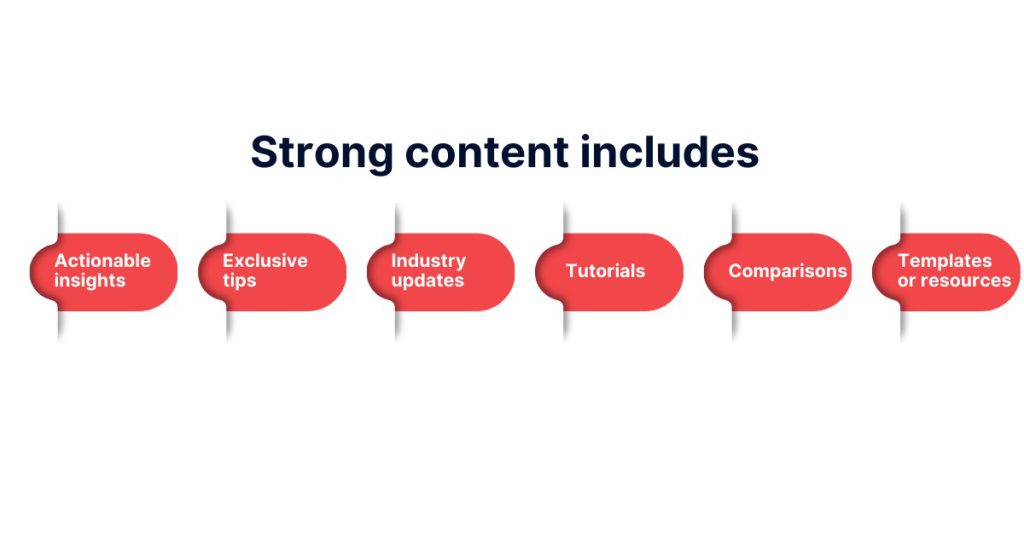
Strong content positions your brand as a trusted advisor—not just a seller.
Remember, the more value you provide upfront, the more influence you gain during the decision-making stage.
8. Use Automation to Save Time and Increase Consistency
Every lead should receive relevant email flows without delay. Automation ensures:
- Fast follow-ups
- Regular touchpoints
- Timely nurturing
- Personalized sequences
- Behavior-triggered responses
Automation tools can trigger:
- Cart abandonment emails
- Re-engagement sequences
- Download follow-ups
- Upsell recommendations
Automation not only boosts conversions, but also significantly improves email ROI.
9. Test, Optimize, and Improve Continuously
Email marketing is not a one-size-fits-all strategy. What works today may not work next month. To keep your performance strong, you must test and optimize regularly.
Key elements to test
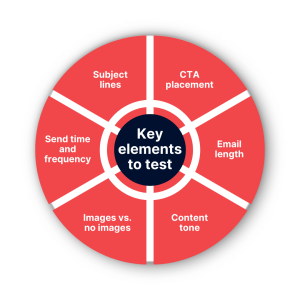
Your data will reveal what your audience prefers—and what drives the highest conversions.
10. Focus on Measuring the Right KPIs
Performance tracking is essential for understanding which emails are moving leads closer to conversion.
Important metrics include:
- Email open rates
- Click-through rate
- Bounce rate
- Response rate
- Conversions
- Unsubscribe rate
- Sales generated
- Overall email ROI
These metrics help you refine your strategy, improve segmentation, and enhance your sequences over time.
Conclusion
Lead nurturing through email is both an art and a science. It requires a mix of strategy, behavioral understanding, content quality, and continuous optimization. With the right approach—rooted in strong email segmentation strategies, engaging lead nurturing emails, practical email campaign tips, and ongoing analysis of email open rates and email ROI—email can become the most powerful driver of conversions in your marketing ecosystem.