
 By digitalmarketinggroup
Your website is often the first impression people have of your brand — and in the digital world, first impressions decide everything. Whether someone is looking to buy from you, donate to your NGO, book your service, or simply learn more about what you do, your website becomes the decision-making space.
But here’s the real truth: most websites don’t perform well. They look good, but they don’t convert. They have fancy graphics, but not a clear message. They have animations, but poor navigation.
A high-performing website is not about how “beautiful” it looks — it’s about how effectively it guides a visitor from curiosity to action.
In this blog, let’s break down how to build a website that actually drives results. We’ll look at design principles, strategy, psychology, and the elements that separate average websites from growth-focused digital assets.
Why Do So Many Websites Fail?
Most businesses approach website design with one mindset:
“Make it look good.” But design is just one layer.
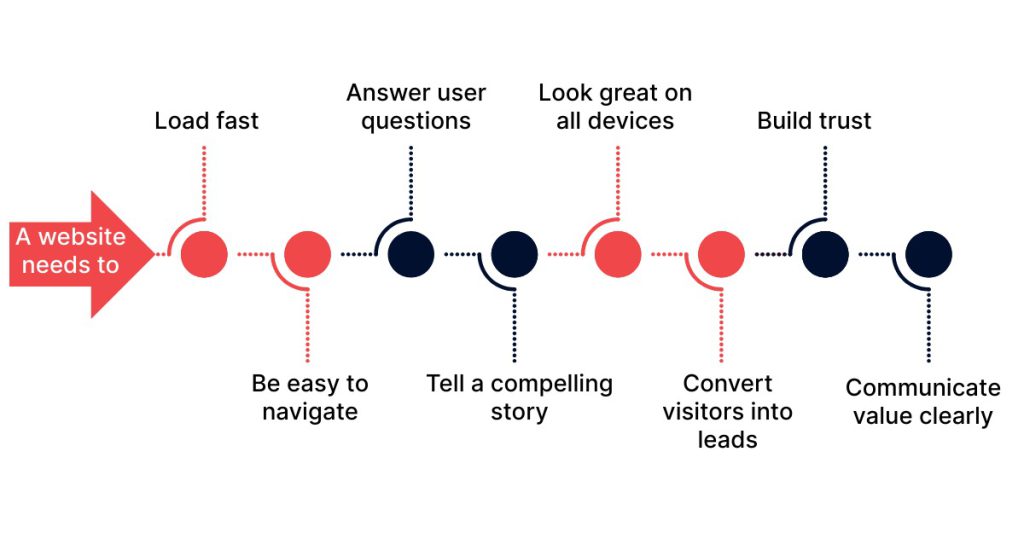
When any of these elements are missing, people leave within seconds. That’s why modern websites need to combine aesthetics with functionality, performance, and strategy — especially through strong website UX design principles.
Start With the User, Not the Designer
A successful website is built around the user, not around what the business “wants to show.”
This is where user-centered web design comes in. It focuses on:
- What the visitor wants
- What problems they have
- What information they need
- How fast they can find it
- What helps them trust you
- What motivates them to take action
When you design for real people, everything becomes clearer — your structure, your messaging, your layout, your buttons, your content flow.
A user-centered approach builds trust and keeps people on your site longer, increasing the chances they will contact you, buy from you, or donate.
Make Mobile the Priority (Not the Afterthought)
More than 80% of website visitors in India use their mobile phones.
If your website fails on mobile, it fails completely.
This is where responsive web design matters. A responsive website adjusts smoothly across devices — mobile, tablet, laptop, or desktop.
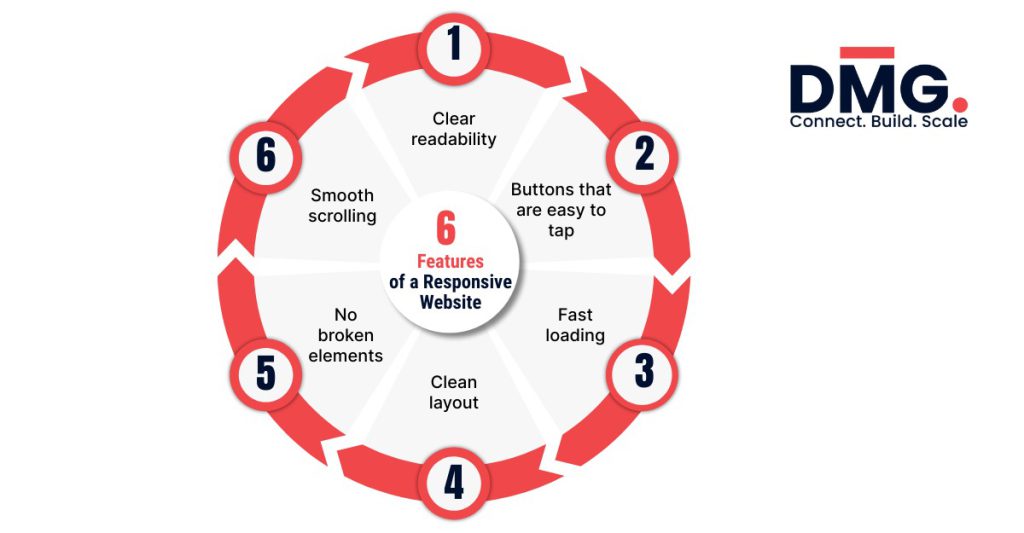
A responsive website doesn’t just improve user experience — Google also ranks mobile-friendly websites higher, which boosts your visibility and organic traffic.
Give Users Exactly What They Are Looking For
When someone lands on your website, they immediately want answers:
- Who are you?
- What do you offer?
- Why should they trust you?
- How much does it cost?
- What should they do next?
A well-planned homepage answers these questions without overwhelming the visitor. Keep your message short, clear, and valuable.
Great websites follow UI best practices such as:
- Short and clear headings
- Visual hierarchy
- Clean layout with enough white space
- Consistent color palette
- Easy-to-scan text
- High-quality visuals
- Clear call-to-action buttons
These small design decisions form a big part of the user’s experience and influence how professional, reliable, and trustworthy your brand feels.
Tell a Strong Story, Not Just Display Information
People don’t connect with features — they connect with stories, emotions, benefits, and outcomes.
Great websites don’t say:
“We offer website development.”
They say:
“We build websites that get you more leads, more trust, and more growth.”
A story-driven approach keeps users engaged and makes your brand memorable. It’s not just about what you do — it’s about the value you create.
Structure Your Website Like a Journey
A high-performing website feels like a smooth guided experience, not a maze.
You must plan out the user journey:
- The Hook: What visitors see first — headline, banner, value.
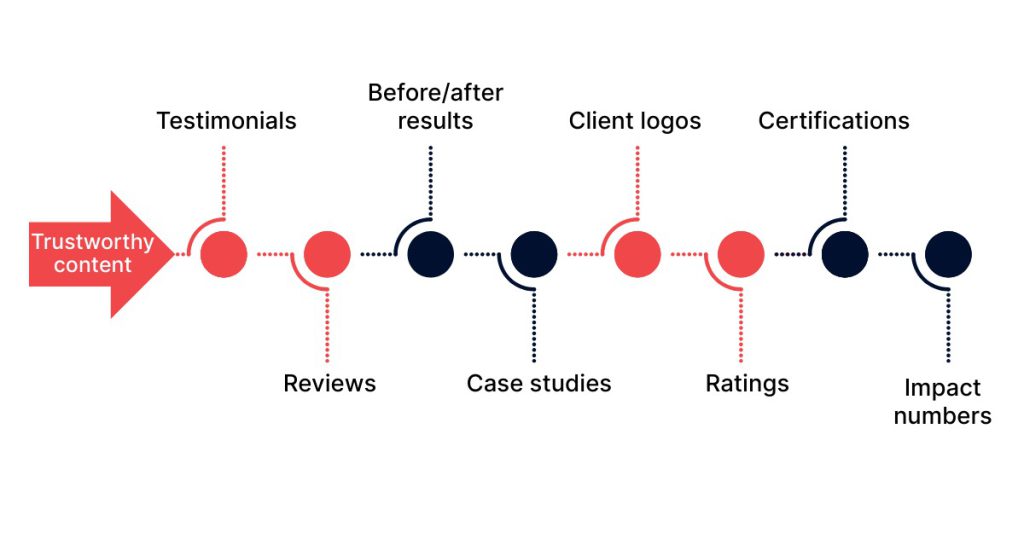
- The Proof: Why they should trust you — testimonials, brands, numbers.
- The Explanation: What you offer — services, programs, solutions.
- The Engagement: Blogs, FAQs, resources.
- The Conversion: Call-to-action buttons, forms, donation options.
This is the structure of a conversion-focused site — every section moves the user closer to taking the desired action.
The Power of Clean and Thoughtful UX
website UX design is more psychology than aesthetics. It’s understanding how people think, behave, and interact online.
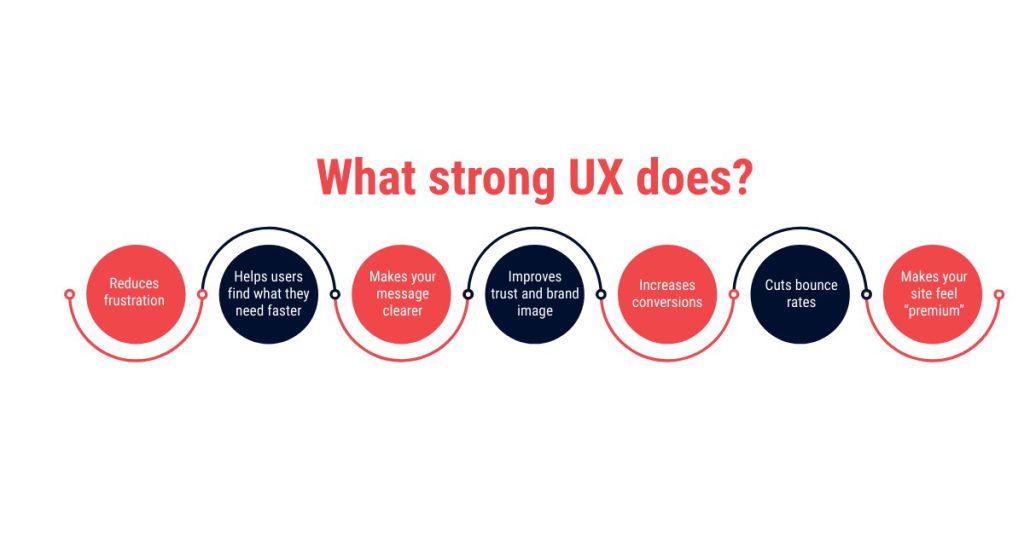
UX isn’t something people notice. It’s something they feel. When a site works smoothly, users feel confident — and confidence drives conversions.
Make Your Website Load Fast
In the digital world, speed decides everything.
A slow website kills:
- Traffic
- SEO rankings
- Enquiries
- Sales
- Donations
People leave within 3 seconds if your site takes too long. That’s why you must optimize:
- Image sizes
- Hosting quality
- Code structure
- Cache
- Plugins
- Scripts
- Server response time
Fast websites win — simple as that.
Content That Converts, Not Just Fills Space
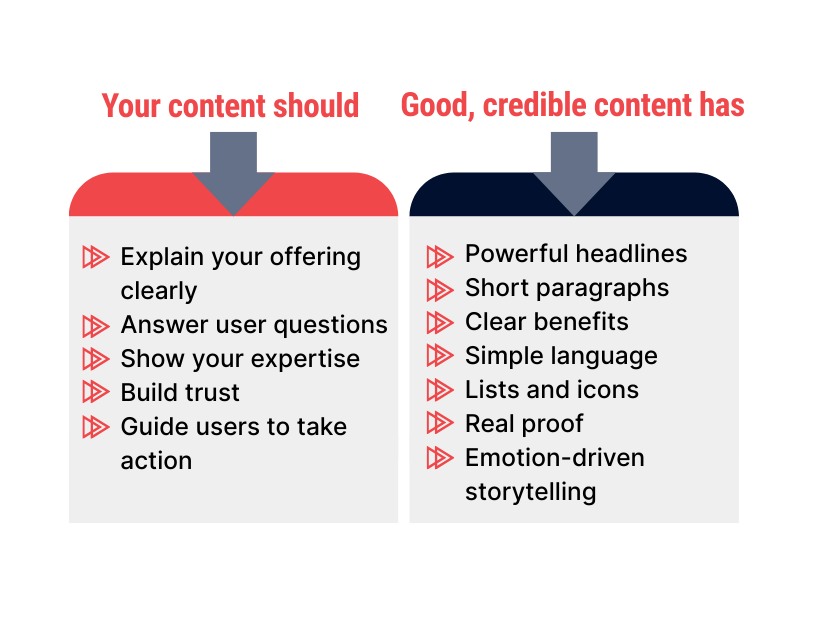
Design makes the website beautiful; content makes it profitable. With clear content, users feel understood. And when people feel understood, they stay longer — and convert more.
Use Visuals That Support the Message
Visuals shouldn’t just decorate the website — they should guide the user.
Smart design uses:
- Icons for scanning
- Infographics for explanation
- Photos for emotion
- Videos for storytelling
- Brand-consistent graphics
- Real images instead of stock (whenever possible)
Clean, purposeful visuals instantly elevate the quality of your brand.
Build Trust With Social Proof
People don’t trust websites — they trust people. Trust elements reassure the visitor that your brand delivers what it promises.
Make Your Calls-To-Action Clear and Compelling
Every page should tell users what to do next.
Examples:
- “Book a Free Call”
- “Get a Quote”
- “Donate Now”
- “Start Your Project”
- “Subscribe for Updates”
A conversion-focused site places CTAs strategically:
- Above the fold
- After important sections
- At the bottom of the page
The goal is simple: remove hesitation and make action easy.
SEO: Your Website’s Long-Term Growth Engine
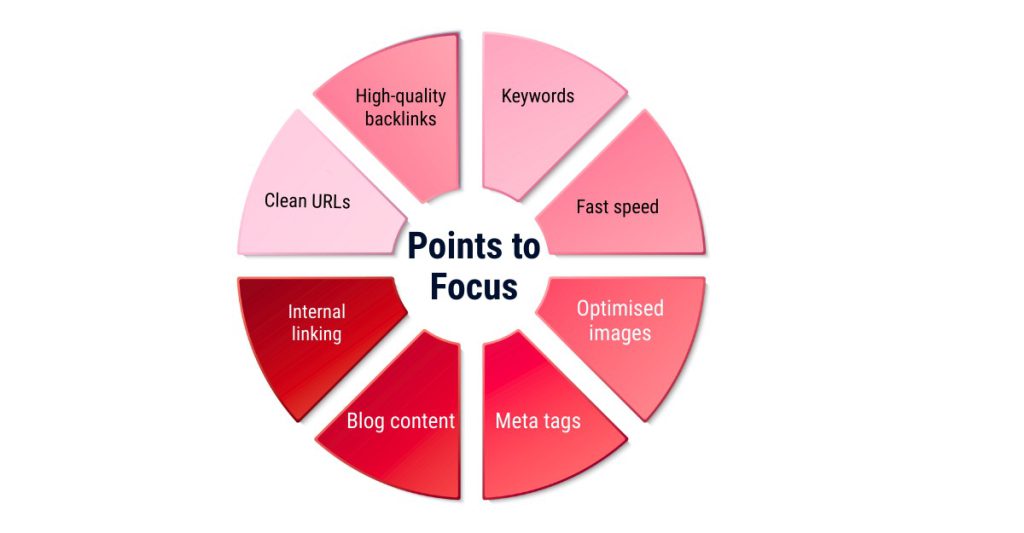
A result-driven website is also search-engine-friendly. SEO ensures your website attracts visitors organically — without depending only on ads.
Integrate Analytics to Improve Performance
You must track what users are doing on your site. Some of the most popular and efficient tools are: Google Analytics, Search Console, Heatmaps, Conversion tracking, Behaviour analytics. These tools helps to understand:
- Which pages work
- Where users drop off
- What they click
- What they ignore
- How you can improve
Your Website Is Not a One-Time Project
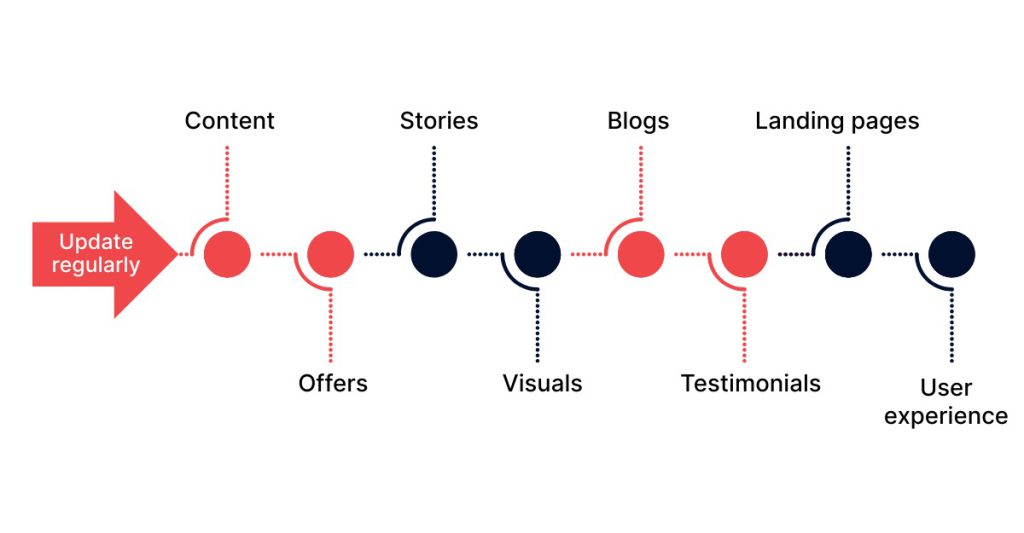
A website isn’t something you build once and forget. It must evolve as your business evolves. A strong website grows with your brand.
Final Thoughts: Build Websites That Work, Not Just Look Good
Anyone can build a website. But only a strategic approach can build a website that drives results.
When you combine:
- Website UX design
- User-centered web design
- Responsive web layouts
- Conversion-focused site structure
- UI best practices
…your website becomes more than a digital space — it becomes a growth engine.
We at DMG specialise in building optimised websites, landing pages, and service/product pages. Connect with us for a result-driven website for your business or NGO.